How Recycling Companies Drive Sustainable Development


A circular economy is really a system centered on minimizing spend and maximizing the sell of resources. As opposed to the standard “get, produce, dispose” design, it stresses sustainability and material efficiency. Recycling Company (Återvinning Företag) act as critical players in that cycle by gathering, working, and reprocessing waste products into valuable new products. Based on recent statistics, around 68% of worldwide industries are actually incorporating circular economy principles to their operations.
What Role Do Recycling Businesses Perform in Reducing Environmental Influence?
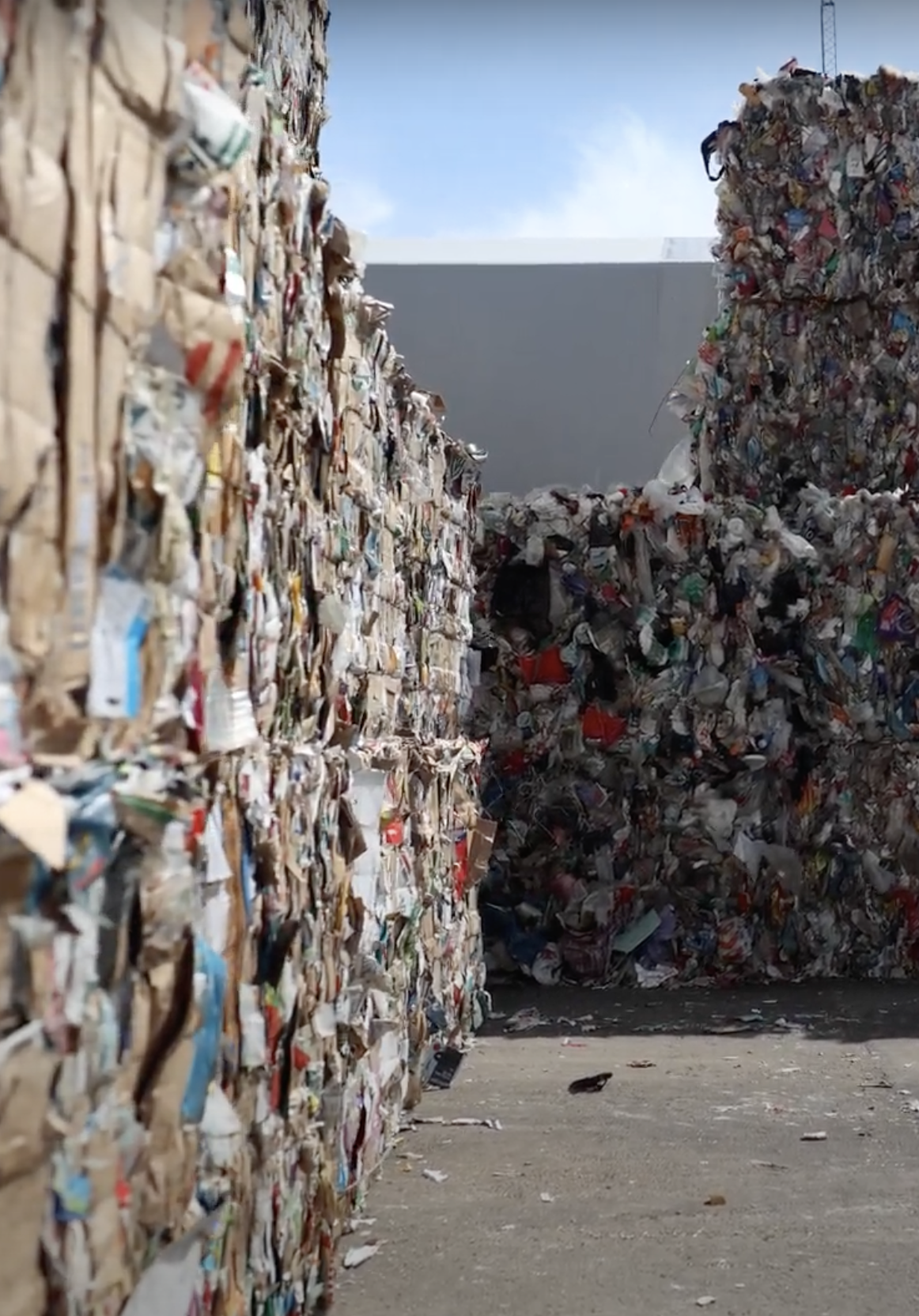
Recycling organizations somewhat minimize carbon emissions by diverting waste from landfills. They method resources such as for instance report, plastic, glass, and materials, turning them in to reusable fresh materials. Knowledge from 2025 demonstrates recycling attempts served save your self over 1.2 million a great deal of CO₂ emissions globally. This shows the rising significance of the recycling market in mitigating weather change and selling eco-conscious consumer behavior.
What Will be the Latest Styles in the Recycling Market?
In 2025, automation, artificial intelligence (AI), and information analytics are transforming the recycling industry. Intelligent organizing methods and sensor-based series techniques are increasing recycling costs by up to 40% in certain cities. Additionally, corporate sustainability programs are driving partnerships between producers and recycling firms to make certain a continuous material flow. These improvements are helping shape a really rounded generation system.
How Do Recycling Companies Contribute to the Economy?
Recycling is not merely advantageous to the world — it's great for business. Statistics reveal that the global recycling market is appreciated at over $460 thousand and is estimated to cultivate slowly by 5.8% annually through 2030. Recycling companies produce millions of careers worldwide, particularly in establishing places wherever waste administration methods remain evolving. This makes recycling both an environmental and economic catalyst.
What Problems Do Recycling Businesses Experience in Achieving Circularity?
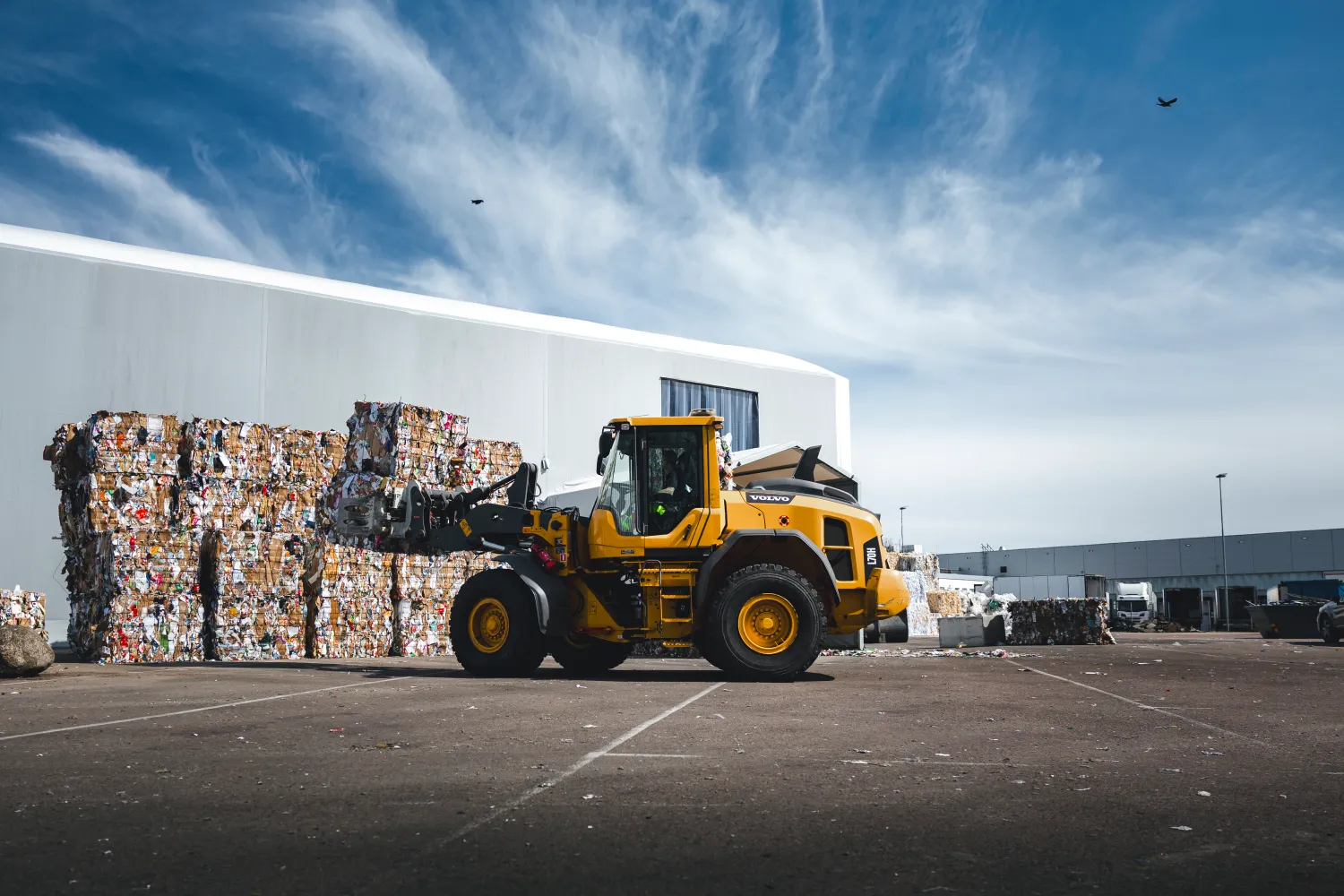
Despite technological development, recycling organizations face problems such as irregular waste variety, contamination, and large handling costs. Around 25% of recyclable components however end up in landfills because of poor sorting or lack of awareness. Governments and firms must spend money on greater infrastructure and consumer training to close the recycling loop. The continuing future of the rounded economy depends upon collaboration among suppliers, people, and recycling firms.
Crucial Takeaway:
Recycling organizations are in the middle of the rounded economy, linking waste reduction with reference regeneration. With growing world wide awareness, improved systems, and supportive procedures, recycling is growing from the waste management training in to a vital element of sustainable economic growth.